
Cushions for pressure sores on buttocks
Pressure sores on the buttocks can develop quickly and cause serious complications, yet many people don't realise how preventable they are with the right support. Whether you're caring for an elderly relative, recovering from surgery, or managing a condition that limits mobility, understanding how cushions for pressure sores on buttocks work can protect skin health and maintain quality of life.
The buttocks bear significant weight during sitting, making them vulnerable to pressure damage. Restricted blood flow can lead to tissue breakdown and painful ulcers that take months to heal. Healthcare professionals recommend cushions to prevent pressure sores, and evidence supports this. According to NHS guidelines, proper pressure care can reduce ulcer incidence by 30%, saving the NHS up to £915,000 annually.
At Enable Living, we are proud stockists of bariatric pressure relief cushions, and we have seen how they can positively impact the lives of wheelchair users or bedridden individuals.
This guide covers the different types of pressure sore cushions available, how to choose the right one for your needs, and what NHS guidelines recommend for effective pressure care.
Select Series
The QUADTRO SELECT® and CONTOUR SELECT® cushions feature four independent compartments of air cells for an individualised fit, each controlled by their exclusive ISOFLO® Memory Control.

There are three profile versions:
High Profile
The tall interconnected air cells envelop your body, delivering maximum immersion for the ultimate in skin protection, positioning, stability and comfort.
Ideal for people who require accommodation or correction of front-to-back or side-to-side pelvic asymmetries, up to approx. 3 in. (7.5 cm) Require pelvic and lower extremity positioning.
DIMENSIONS
Width: 12.75 in. to 26.25 in. / 32.5 cm to 67 cm
Depth: 11.75 in. to 67 in. / 30 cm to 51.5 cm
Height: 4.25 in. / 10.5 cm
Smart Series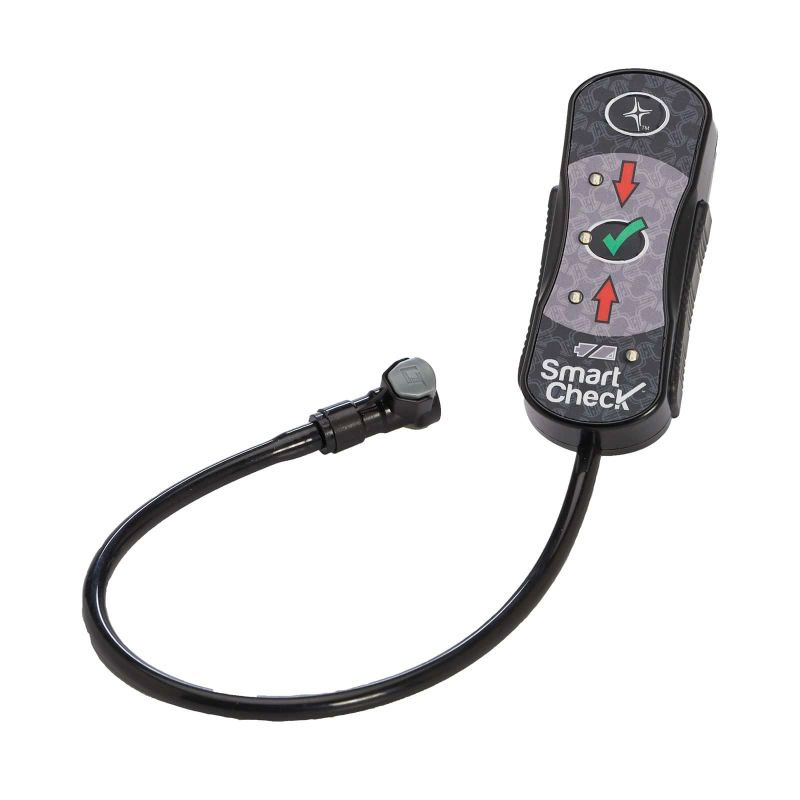
Meet Smart Check. It's the brains behind the most effective and user friendly electronic cushion monitoring system on the market.
After performing a setup with the Smart Check, simply attach the portable Smart Check device to your ROHO Sensor Ready cushion, press the check button, and you'll know right away if your inflation level has changed.
- Stores recommended inflation range
- Ability to reset
- Press to check inflation level
- Real-time feedback
- Detachable for storage
Hybrid Elite SR - Single Compartment Cushion
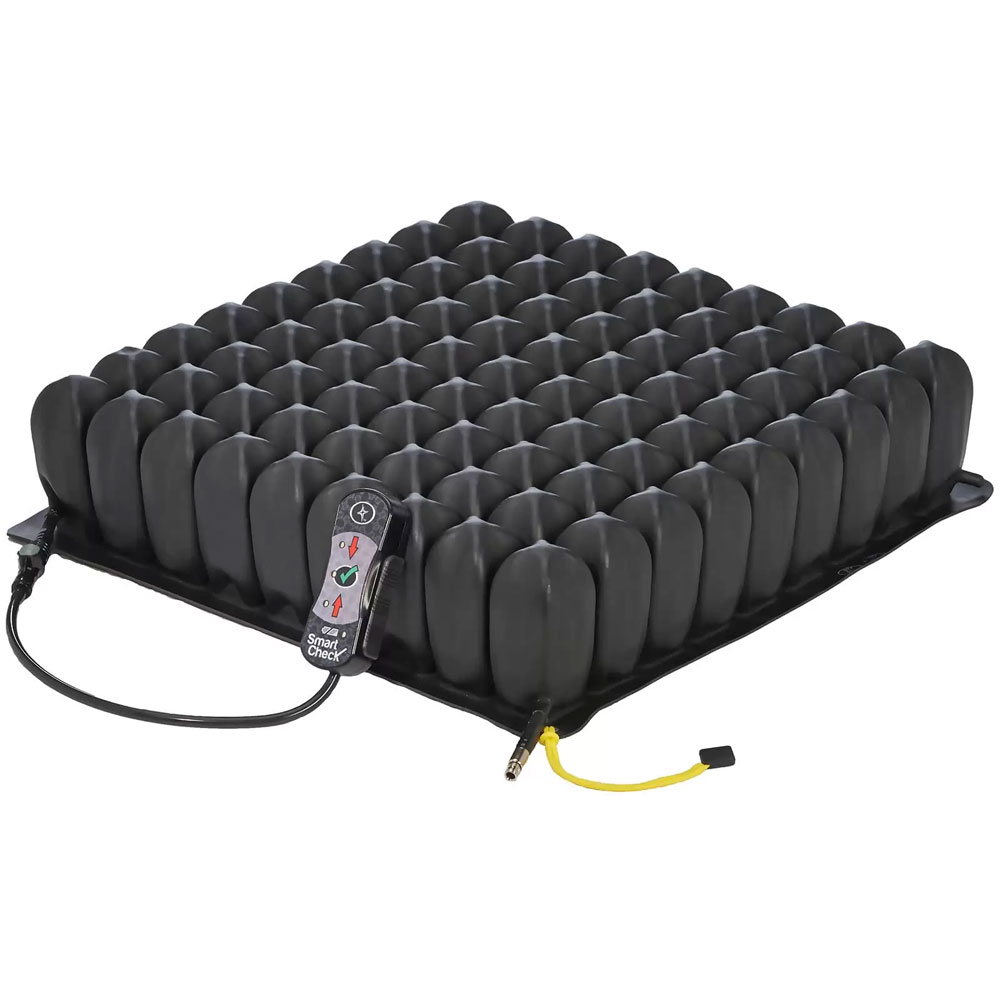 The Hybrid Elite Sensor Ready innovative cushion combines the skin and soft tissue protection from the Shape Fitting Technology™ of an air-filled ROHO DRY FLOATATION© Cushion with stability and positioning from a contoured foam base. The shape-fitting air insert provides critical pressure redistribution around the pelvic area.
Ideal for people who Require accommodation of pelvic asymmetry, up to 2 in. / 5 cm Require pelvic and lower extremity positioning and a more stable environment for transfers.
Dimensions
Width: 13.75 in. to 23.75 in. / 35 cm to 60.5 cm
Depth: 14.75 in. to 20.75 in. / 37.5 cm to 53 cm
Height: 4.25 in. / 11 cm
High Profile - Single Compartment Sensor Ready Cushion
The tall, interconnected individual air cells envelop you to redistribute pressures and decrease friction and shear.
These taller air cells provide a greater contact area and maximum immersion and envelopment – which promotes healing.
Ideal for people who Require accommodation of pelvic asymmetry, up to 3 in. / 7.5 cm
Dimensions
Width: 11.5 in. to 26.75 in. / 29 cm to 68 cm
Depth: 11.5 in. to 20 in. / 29 cm to 50.5 cm
Height: 4.25 in. / 10.5 cm
Hybrid Series
These innovative cushions combine the skin and soft tissue protection from the Shape Fitting Technology™ of an air-filled ROHO DRY FLOATATION™ Insert with the stability of a contoured foam base.
The contoured foam base is designed to allow for increased stability for transfers and provides exceptional comfort, positioning and stability.
- Combination of air and foam for stability and skin/soft tissue protection
- Contoured foam provides lateral and medial upper leg supports to hold your legs in place
- Firm base for transfers
- Supports pressure injury prevention and treatment.
Hybrid Elite SR™ - Single Compartment Cushion
The Roho Hybrid Elite SR innovative cushion combines the skin and soft tissue protection from the Shape Fitting Technology of an air-filled ROHO DRY FLOATATION® Cushion with stability from a contoured foam base.
The shape-fitting air insert provides critical pressure redistribution around the pelvic area.
Ideal for people who require accommodation of pelvic asymmetry, up to 2 in. / 5 cm require pelvic and lower extremity positioning Require a more stable base for transfers
Dimensions
Width: 13.75 in. to 23.75 in. / 35 cm to 60 cm
Depth: 14.75 in. to 20.75 in. / 37.5cm to 53 cm
Height: 4.25 in. / 11 cm
Hybrid Elite - Dual Compartment Cushion
Combines the skin and soft tissue protection and Shape Fitting Technology of a ROHO DRY FLOATATION® Cushion with the stability of a contoured foam base.
The dual compartment air insert provides critical pressure redistribution around the pelvis. The two independent, adjustable air compartments let you set inflation levels to reduce or accommodate a side-to-side asymmetry, such as a pelvic obliquity.
Ideal for people who require accommodation of pelvic asymmetry, up to 2 in. / 5 cm require pelvic and lower extremity positioning Require a more stable base for transfers
Dimensions
Width: 14 in. to 20 in. / 35.5 cm to 51 cm
Depth: 14.75 in. to 20.75 in. / 37.5 cm to 53 cm
Height: 4.25 in. / 11 cm
Custom Cushions
 Together with your clinician or distributor, you can design your own ROHO Cushion – and we'll build it.
We understand that there's no such thing as one size fits all when it comes to comfort, safety and health. That's why ROHO® cushions are available in fully customisable shapes, sizes and functions.
IDEAL FOR PEOPLE WHO: Need to vary the number of valves or compartments to provide side-to-side and front-to-back positioning would benefit from varying cell heights to provide stability, positioning and skin/soft tissue protection exactly where it's needed Need to add or delete rows of cells beyond the dimensions of standard size models Need to remove cells or rows Would benefit from adding ventilation/drainage holes through base of cushion
Why Cushions for Pressure Sores on Buttocks Are Essential
Pressure sores, also called pressure ulcers or bedsores, develop when sustained pressure reduces blood flow to the skin and underlying tissue. The buttocks are especially at risk because they contain bony prominences, the ischial tuberosities, or "sitting bones", that bear concentrated weight during sitting. When these bones press against a hard surface for too long, the tissue between the bone and the surface becomes compressed, starving it of oxygen and nutrients.
The damage progresses through four stages, from superficial skin changes to deep wounds that can extend into muscle and bone. Once a pressure sore reaches advanced stages, healing becomes difficult and lengthy, often requiring specialised medical treatment.
Reduced mobility is the primary risk factor. People who use wheelchairs, spend extended time in bed, or have difficulty changing position independently face the highest risk. Poor nutrition, moisture from incontinence, reduced sensation due to nerve damage, and conditions that affect circulation or healing all add to that risk.
The NHS has recognised pressure ulcer prevention as a critical patient safety priority. The National Wound Care Strategy Programme emphasises the importance of risk assessment tools like PURPOSE-T, which helps healthcare professionals identify patients who need preventive interventions.
The Science Behind Pressure Relief Cushions for Buttocks
Pressure relief cushions work by redistributing body weight away from bony prominences. Instead of allowing all your weight to concentrate on two small points, these cushions spread the load across a larger surface area, reducing pressure at any single point and allowing blood to keep flowing to the skin.
The mechanism is straightforward: when pressure on the skin drops below the capillary closing pressure (roughly 32 mmHg), blood can circulate normally, delivering oxygen and nutrients while removing waste products. Quality cushions maintain pressure below this threshold even during extended sitting.
Different technologies achieve this in different ways. Foam cushions use layers of varying density to contour to your body shape while providing support. Gel cushions flow around bony prominences for a custom fit. Air cell cushions let you adjust firmness to your exact needs, while alternating pressure systems actively shift weight distribution throughout the day.
When a 400-bed NHS hospital in South Yorkshire implemented evidence-based pressure care protocols, including appropriate cushion selection, it achieved a 30% reduction in pressure ulcer incidence within a year, showing what the right combination of cushion and care protocol can do.
Types of Pressure Sore Cushions
Foam Cushions
Not all foam is equal. Quality foam cushions use multiple layers with varying densities: a top layer that conforms to your body shape for comfort, and firmer base layers that prevent "bottoming out", when you sink through the cushion until you're essentially sitting on the hard surface beneath.
Memory foam moulds precisely to your contours by responding to body heat and weight, but it can retain heat and increase moisture buildup on the skin.
Gel Cushions
Gel flows around bony prominences, creating a custom fit each time you sit down and moving away from high-pressure areas as needed. This makes gel cushions particularly effective for people who shift position frequently or have asymmetrical posture. Many modern cushions combine gel inserts in strategic spots with a foam structure, giving you pressure relief plus stability, and gel doesn't retain heat the way solid foam does.
Air Cell Cushions
Air cell cushions use interconnected chambers to distribute weight, with adjustable inflation to balance pressure relief and stability. Some feature individual cells inflated to different levels for complex positioning needs. They're vulnerable to punctures, though, and need more regular monitoring and adjustment than foam or gel.
Alternating Pressure Cushions
For those at very high risk, or with existing pressure sores, alternating pressure cushions offer active prevention. Air cells inflate and deflate in a programmed cycle, typically every few minutes, continuously shifting pressure so no single point bears sustained load. They need a power source and cost more than passive cushions, but provide the highest level of relief. The NHS often prescribes these for patients with Stage 3 or 4 pressure ulcers or multiple risk factors.
How to Choose the Best Cushions for Pressure Sores
Assessing Your Mobility Level
Your ability to shift weight and reposition independently is the most important factor. If you can stand and move around regularly, moderate pressure relief may be enough. If you spend most of the day sitting without repositioning, you'll need a cushion with more advanced pressure-relieving properties, particularly if you use a wheelchair full time and need consistent relief for six to eight hours or more.
Existing Pressure Damage
If you already have a pressure sore, your needs change. Cushions for bed sores on buttocks must completely offload pressure from the affected area while still supporting the rest of the body. Alternating pressure cushions or high-specification foam are often recommended here.
Body Weight and Build
Heavier individuals compress cushion materials more, which can reduce effectiveness, so check weight limits before buying. People with prominent sitting bones or little natural padding need extra protection around bony prominences, such as contoured cushions with built-up sides or gel inserts in key areas. Enable Living's pressure care seat cushions range includes options for different body types and risk levels, and a separate bariatric cushion range for higher weight limits.
Daily Activities
Consider where and how you'll use the cushion. Wheelchair users need a cushion that fits the chair's dimensions without interfering with armrests or positioning. If you're moving it between chairs throughout the day, weight and portability matter too.
NHS Availability and Prescription
The NHS provides pressure sore cushions through prescription for eligible patients who meet specific clinical criteria. You'll typically need an assessment from a district nurse, occupational therapist, or tissue viability specialist, who will evaluate your risk using validated tools and determine whether you qualify for NHS provision.
Preventing Buttock Sores: Clinical Guidelines and Best Practices
The PURPOSE-T risk assessment tool, recommended by NICE, helps identify individuals who need preventive interventions and categorises patients by risk level, so those at highest risk get the most intensive prevention.
Prevention is far more effective and less costly than treating established ulcers. Healing an established sore can take weeks or months, with pain, reduced mobility, and infection risk along the way, and treating a single pressure ulcer can cost the NHS thousands of pounds.
A few core principles matter alongside the cushion itself. Reposition regularly, standing or shifting weight every 30 minutes to an hour where possible, or with caregiver assistance if you can't move independently. Inspect skin daily for redness, warmth, or texture changes, especially important if reduced sensation means you can't feel discomfort. And manage moisture: incontinence, perspiration, or wound drainage soften skin and make it more vulnerable, so moisture-wicking covers and good hygiene matter.
Using and Maintaining Your Pressure Relief Cushion
A cushion only keeps protecting you if it's used and maintained properly. Each time you sit down, check it's positioned correctly and sitting flat without bunching or sliding. For air cushions, check inflation daily: you should feel the cushion material under your thigh, not the hard chair surface beneath it.
Wash covers weekly (more often with incontinence or heavy perspiration), following the manufacturer's instructions. Foam can be spot-cleaned with mild soap and water but shouldn't be soaked. Gel can be wiped with disinfectant wipes. Air cushions should be checked regularly for leaks.
Watch for signs it's time to replace: visible compression or permanent indentations in foam, gel that's hardened or separated, air cells needing frequent top-ups, or any tears in the cover or cushion. Most cushions need replacing every 12 to 24 months with regular use. When not in use, store cushions somewhere cool and dry, away from direct sunlight, which degrades foam and gel over time.
Common Mistakes to Avoid
Choosing Comfort Rather than Pressure Relief
A cushion that feels soft might not redistribute pressure effectively. Genuine pressure relief cushions are engineered and tested to reduce interface pressure below critical thresholds, which can mean they feel firmer than a standard comfort cushion.
Skipping Repositioning
A good cushion extends safe sitting time, but doesn't remove the need for movement. Small weight shifts, leaning, or standing briefly all help maintain blood flow.
Neglecting Maintenance
Under-inflated air cushions let you bottom out. Dirty or damaged covers lose their moisture-wicking properties and increase skin vulnerability.
Skipping Skin Checks
Cushions reduce risk; they don't eliminate it. Any redness that doesn't fade within 30 minutes of relieving pressure, warmth, swelling, or texture changes should be reported to a healthcare provider straight away.
Using a Worn-out Cushion
Compressed foam, hardened gel, or leaking air cells won't provide adequate relief regardless of how good the cushion was when new. If you're unsure whether yours is still effective, ask your healthcare provider or supplier to assess it.
Best Pressure Relief Cushions for Elderly Users
Older adults often face several risk factors at once: reduced mobility, thinner skin, poor nutrition, and conditions that affect healing, so cushion choice matters more than ever.
For those who retain some mobility, multi-layer foam cushions usually strike a good balance of pressure relief and low maintenance. Look for a non-slip base for safer transfers. For those with very limited mobility or existing damage, gel-foam hybrids provide strong pressure relief with the added benefit of better temperature regulation, useful for older adults who struggle to regulate body temperature.
Full-time wheelchair users should look at cushions designed specifically for wheelchair seating, with features like built-up sides for lateral stability and contoured shapes that support posture. Enable Living stocks pressure care cushions suited to a range of mobility levels and settings, alongside wider moving and handling equipment for those who need support with transfers as well as seating.
Moving Forward with Confidence
Selecting the right cushion can make a real difference to both prevention and healing. The evidence is clear: proper pressure care interventions, cushion selection included, can reduce pressure ulcer incidence by 30% and save substantial healthcare costs.
Consider your mobility level, any existing pressure damage, your build, and how you'll use the cushion day to day, and don't hesitate to seek professional guidance. If you're eligible for NHS provision, take advantage of it.
Combine your cushion with regular repositioning, daily skin inspection, good nutrition, and proper hygiene for the best protection. If you're unsure where to start, speak with your GP, district nurse, or occupational therapist, who can arrange a proper assessment and help you access the right equipment.
Contact us to learn more about the pressure-care cushions we provide.
