
How to Prevent Pressure Sores: Repositioning, Cushions and Mattresses
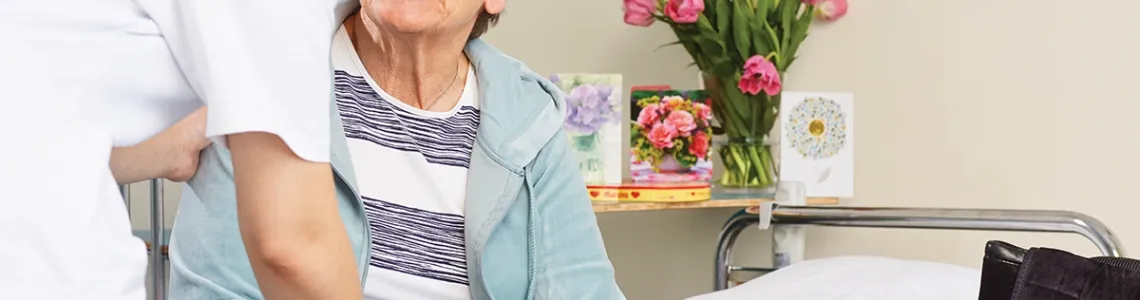
If you or a loved one struggle with mobility issues, you are likely very aware that a very real risk is pressure sores. Though preventable, pressure sores are more common than you might think and can develop within a matter of hours without the right preventative measures.
At Enable Living, we provide a range of equipment designed to prevent pressure sores, and we’ve spoken to users firsthand; we know how challenging pressure sores can be to heal and how essential this equipment is.
In this guide, we’ll cover how to prevent pressure sores and outline some equipment you can use to help prevent them.
Keep reading to find out more.
What Causes Pressure Sores to Develop?
Pressure sores develop when sustained pressure damages the skin and underlying tissues. They’re more common in areas where bones lie close to the skin’s surface.
Pressure
One of the main reasons pressure sores develop is constant weight or force pressing the skin against a hard surface, such as a bed or wheelchair. This compresses blood vessels and starves cells of oxygen and nutrients, causing sores to develop. The longer that the pressure is present, the higher the risk of developing sores.
Shearing and Friction
Shearing occurs when two surfaces move in opposite directions; for example, when a person slides down a bed, the skin stretches and tears the deep blood vessels and tissue beneath it, which causes sores. This often goes hand in hand with friction sores, which happen when skin rubs against bed linens, clothes, or other surfaces and wears away the outer layer of skin.
Moisture
Moisture is another major cause of pressure sores. Any sweat, urine, or stool left on the skin softens it and makes it more vulnerable to breakdown from friction and pressure.
Who is Most at Risk?
People most at risk of developing pressure sores have limited mobility or struggle to change positions without the support of others. Those over the age of 70 are particularly vulnerable because ageing skin becomes thinner, loses underlying fat cushioning and has less elasticity.
What are High Risk Areas?
Certain areas of the body are more vulnerable to developing pressure sores, and this usually depends on how your body is positioned when using certain furniture or equipment and how much time you spend in a certain position.
The highest-risk areas include:
Pressure Points When Lying in Bed
If you suffer from mobility issues and other health problems, it is likely that you spend the majority of your time in bed.
Areas particularly affected when you spend most of your time lying in bed include your heels, shoulder blades, the back of your head, elbows, and sacrum (the base of your spine).
Pressure Points When Sitting or Using a Wheelchair
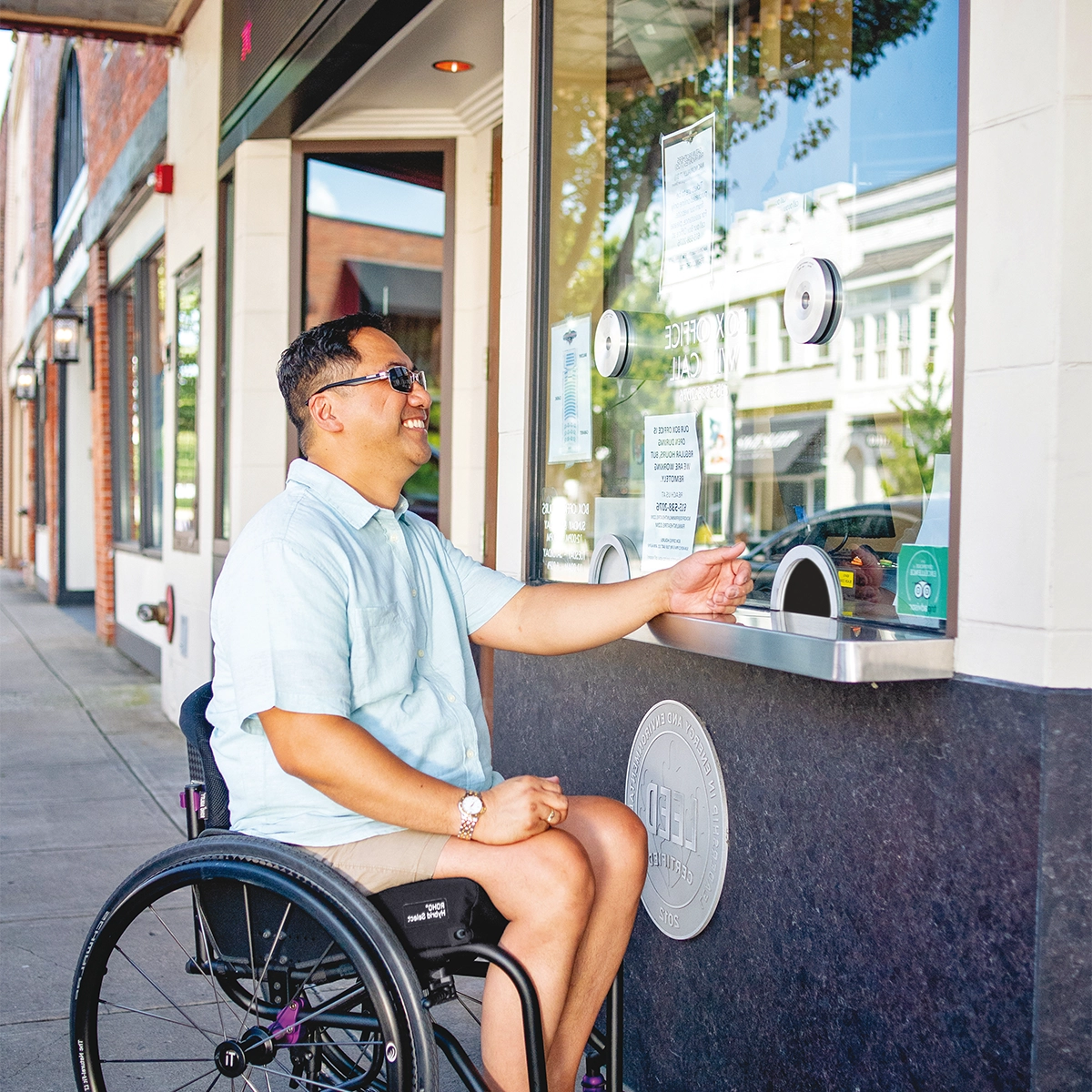
If you are a wheelchair user, you might be spending upwards of 12 hours a day, which means that your body has continued weight and pressure on your buttocks, tailbone, base of the spine and the backs of your arms. You may also experience pressure on your legs and heels if you rest your feet on a footrest.
Why Heels Need Extra Attention
Heels are often forgotten, but they are at high risk of developing sores. Because heels have little padding and thinner skin, they are susceptible to sores, and if someone is bedbound, heels should be kept off the bed where possible.
Why Regular Repositioning Matters
Repositioning is essential to prevent sores from developing; it helps relieve pressure by shifting weight from one concentrated area to another or distributing it evenly.
How Often Should Someone Be Repositioned?
Reposition immobile people, or those at risk of developing sores, every two hours. However, if someone is overweight, you may have to reposition them more frequently as the weight puts more pressure on certain areas.
Repositioning in Bed
If someone is bedbound, reposition them frequently. You should alternate between lying them on their back and their sides, using a pillow to keep any bony areas separated. For example, if you reposition someone on their side, put a pillow between the knees to prevent rubbing and a pillow directly on the hip bone to prevent pain.
Repositioning in a Chair or Wheelchair
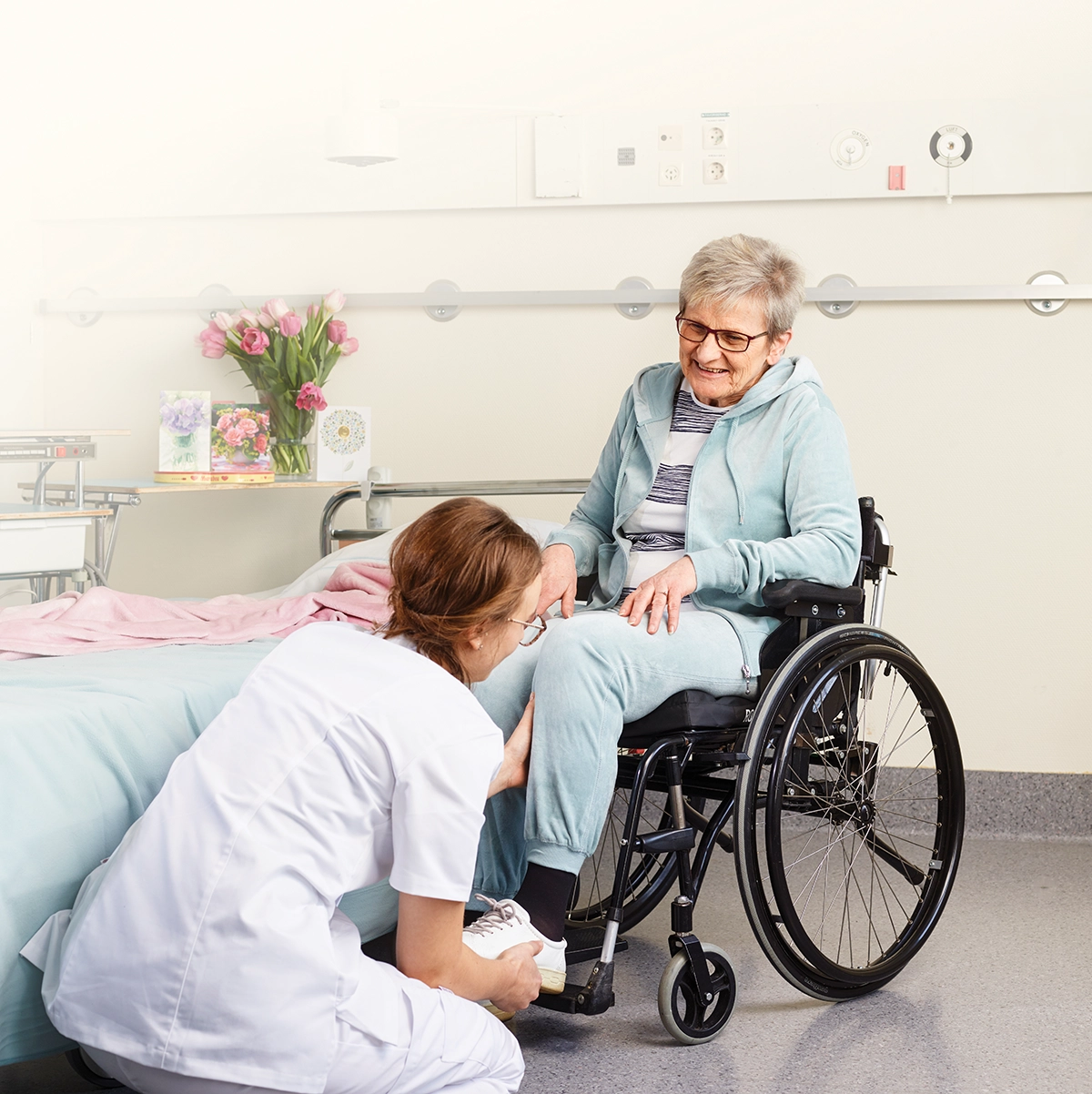
When you’re in a wheelchair all day, it is very common to get uncomfortable, and you don’t want any discomfort to develop into sores. When you're in a chair all day, it’s important to shift your weight in small ways, leaning forward or side to side. If you can, or have support to help, getting out of the chair and standing when possible also helps prevent sores.
Move Safely to Reduce Shear
It can be easy to make mistakes when repositioning someone, and people often drag them to move them, rather than lift. Dragging people to reposition them can cause shearing, and if you don’t have the strength to do so, you can then use a slide sheet to move them with less friction.
Choosing a Pressure Relief Cushion
If you are someone who depends on a wheelchair in your day-to-day life, you will naturally be more at risk of sores, but there are ways in which you can reduce the risk of sores developing.
One of the most common and dependable ways to reduce pressure sores as a wheelchair user is through using pressure relief cushions. The most common pressure relief cushion options are:
Foam Cushions
Foam cushions are one of the most popular relief cushions available, as they are lightweight, affordable and low maintenance. If you are low weight and at lower risk of developing sores, a foam cushion is the best option for you.
Gel Cushions
Gel cushions are highly effective because they mimic the fatty tissue in your body and use a honeycomb or fluid-cell design that contours to your anatomy, helping spread your weight across a wider area to prevent pressure from building in one spot.
Gel cushions are advantageous because the gel conducts heat away from the body, helping keep the user and the cushion cool and reducing sweat buildup that can encourage sores.
Air Cushions
Air cushions are another popular option, as they consist of adjustable air cells that adapt to the body and are typically used for higher-risk users. These cushions are highly effective but require closer attention than other options to ensure they're inflated correctly and not too hard.
What to Consider When Choosing
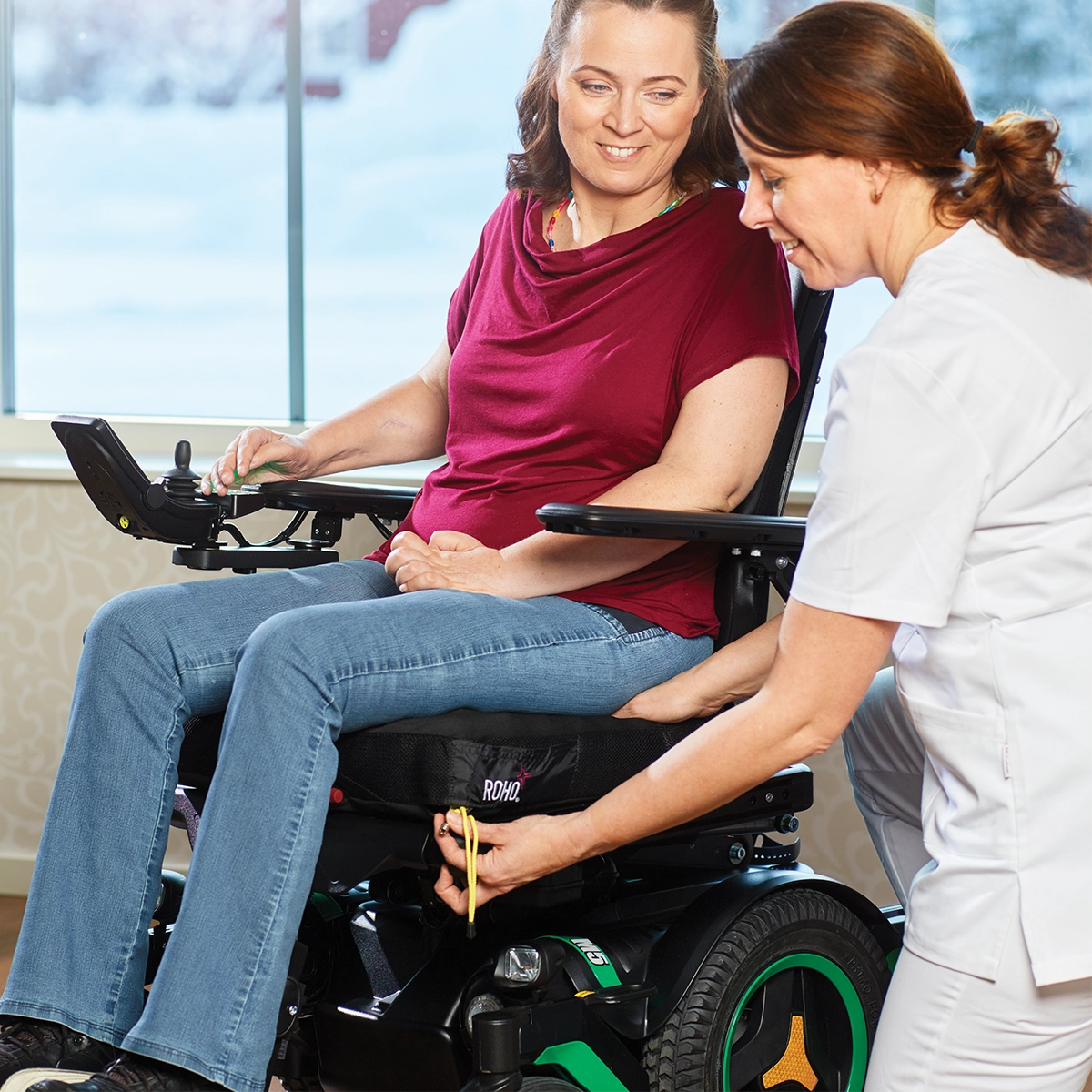
When choosing the right cushion, consider your level of risk, how long you sit each day, and the size and fit of your chair or wheelchair. Also consider how easy the cover is to clean, and check that it is both breathable and waterproof. If you’re at higher risk, ask an occupational therapist (OT) to assess your needs and help determine which cushion may be suitable.
Choosing a Pressure Relief Mattress
If you are bedbound, one of the best ways to reduce your risk of developing sores is to use a pressure relief mattress. There are several types of pressure relief mattresses you can get, and these include:
Static Pressure Mattresses
Static pressure mattresses are non-powered mattresses that rely on a user’s body weight and movement to naturally redistribute pressure. These mattresses can be made of foam, gel-infused foam, or static air and are a good, more affordable option that doesn't require electricity to operate.
Though a fantastic option, they may not provide enough relief for patients with existing severe tissue damage or existing high-pressure ulcers.
Alternating Air Mattresses
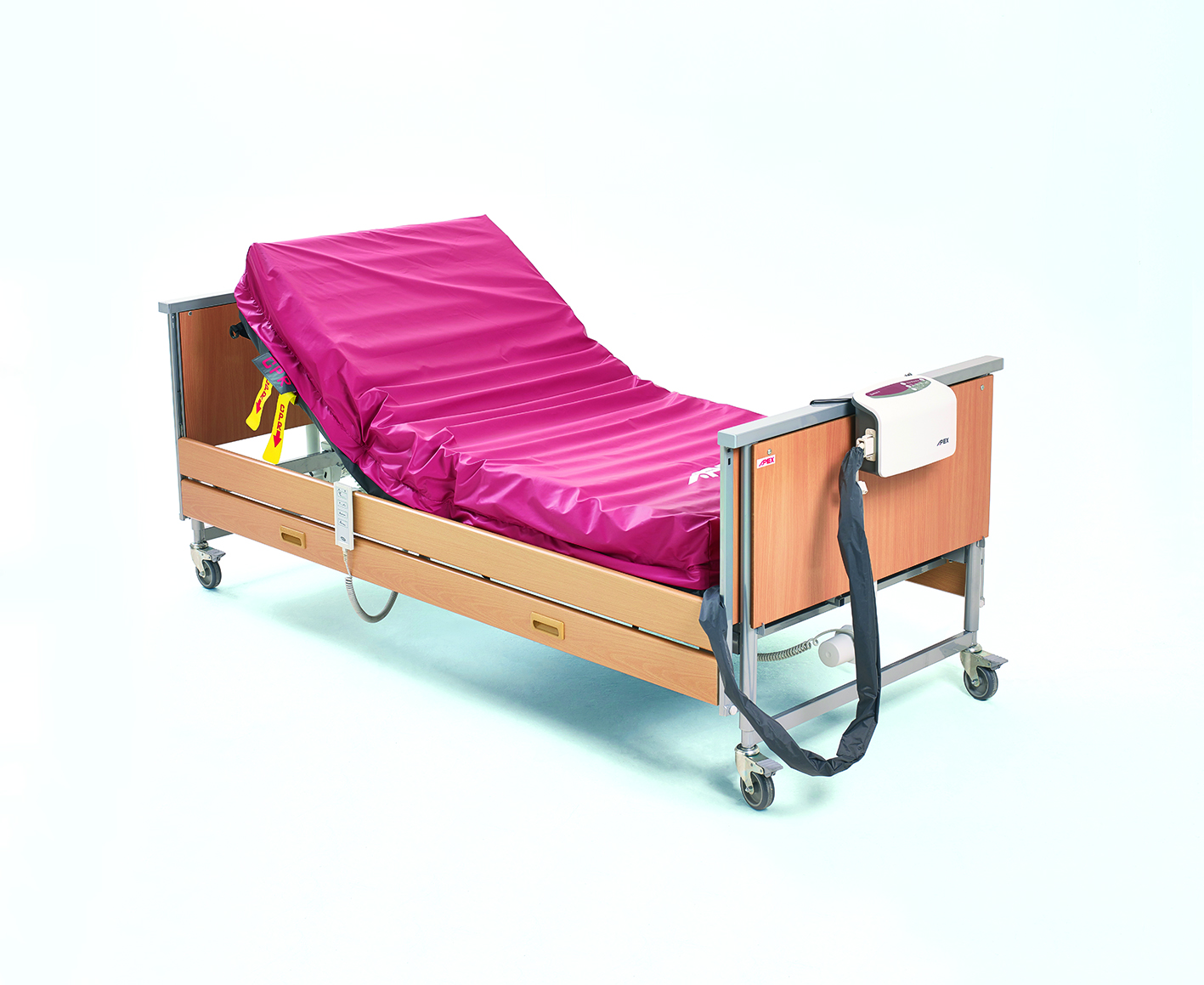
Also called dynamic air mattresses, they use an electric pump to cyclically inflate and deflate air cells or pockets. Alternating air mattresses are a fantastic option as they actively change contact points to protect high-risk or bedbound patients. However, they require a power supply and more maintenance to ensure they’re working properly.
Mattress Overlays
Mattress overlays are thin pads used on top of standard mattresses that redistribute pressure without replacing the entire bed. These are a good solution for anyone considered low-to-medium risk of developing pressure sores, and patients can choose static or dynamic overlays, so you can make more affordable changes to your mattress that fit your needs.
How to Prevent Pressure Sores
If you are worried that you or someone you love is more susceptible to pressure sores, you can take steps to prevent them.
Check Skin Daily
One of the best preventive measures you can take is to check the skin regularly, especially in areas most likely to be affected. These include: the heels, tailbone, hips, sitting bones, elbows and ankles. By regularly checking usually affected areas, you can watch for early signs of sore development before it progresses.
Keep Skin Clean and Dry
One of the main reasons that sores develop is because of excess moisture, usually caused by sweat or even urine for those struggling with incontinence. It is key to regularly clean the skin and ensure that the skin is left dry after cleaning.
If you are working with a bariatric patient, it is especially important to spend extra time drying, ensuring you properly lift and dry any skin folds and areas with excess fat deposits.
Managing Continence
Incontinence can be a major cause of pressure sores, as excess moisture can remain on the skin for a prolonged period, breaking it down. If you or the person you care for struggles with incontinence, it’s important to dedicate the time needed to ensure they receive the right care.
Regularly check on anyone dealing with incontinence and, where possible, help them use a commode or accessible toilet. We understand that for some, these facilities aren't possible; in those cases, consider alternatives such as a catheter.
We recommend speaking to your GP to find an alternative solution that supports the sufferer.
Hydration and Nutrition
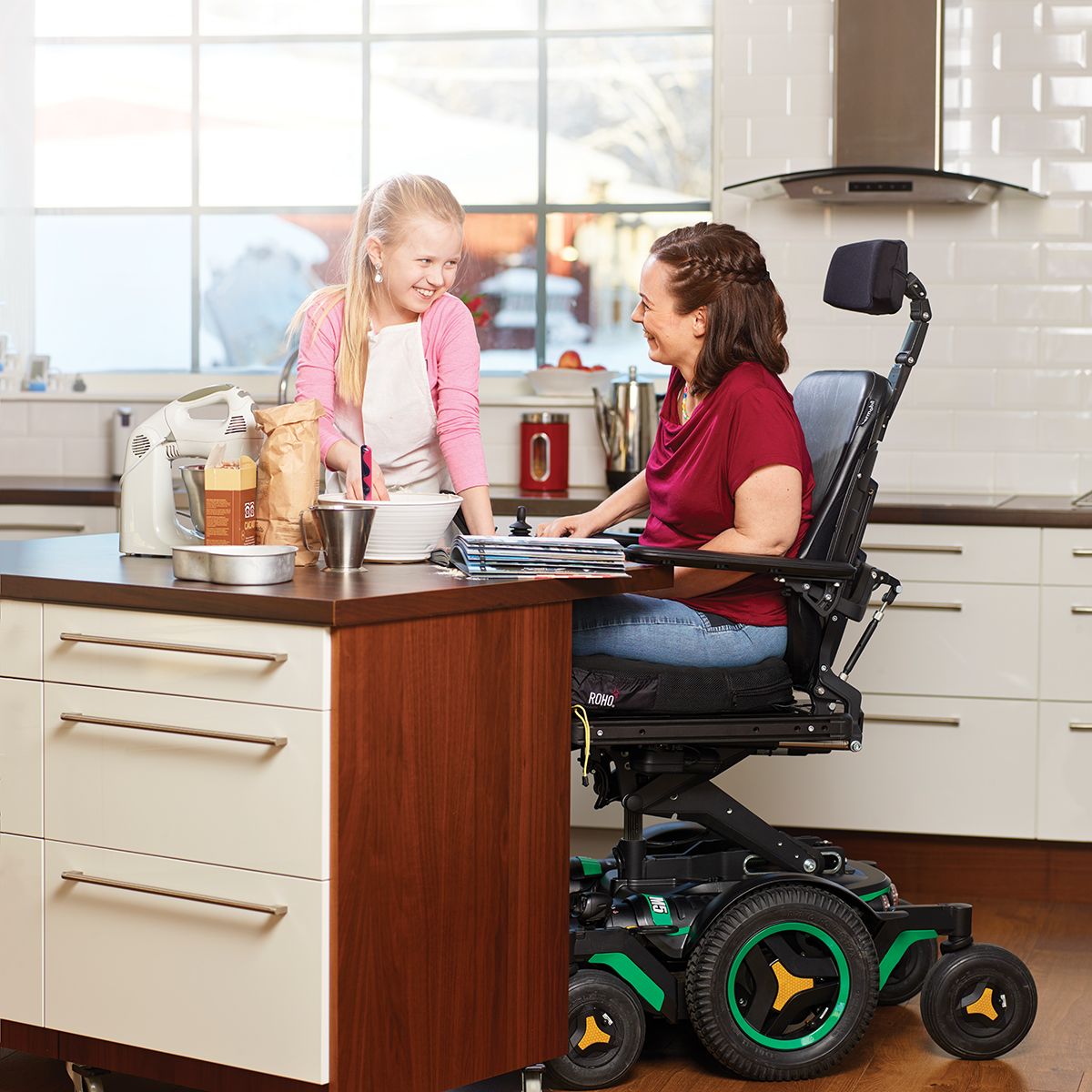
Proper hydration and nutrition can also help reduce or prevent sores, as they support skin elasticity, blood circulation, and healing. If someone is more likely to develop pressure sores, it is essential to support them in maintaining a healthy diet and hydration routine.
Warning Signs to Look Out For
There are warning signs that you can look out for to prevent the development of pressure sores, and these include:
- Skin colour changes
- Non-blanching erythema(a discoloured area doesn’t turn white when touched)
- Temperature differences in the skin
- Texture differences
- Sensation changes
If you or someone you are caring for shows any of the signs above, keep a close eye on the affected area and take precautions to prevent the issue from worsening.
When to seek medical advice: Speak to a GP, nurse or carer if you notice signs of a pressure sore, especially if the skin is broken or not healing. Seek urgent medical help if the area becomes red, warm and swollen, starts to smell or leak pus, or the person develops a high temperature, as these can be signs of infection.
Find the Right Pressure Care Equipment With Enable Living
You should now have a better understanding of pressure sores, how to identify them, what causes them and the equipment available designed to reduce the risk of developing pressure sores.
At Enable Living, we provide an array of equipment designed to help prevent pressure sores. If you’d like to purchase equipment to help you, or you want further information, get in touch with us today.
