
Disabled Facilities Grant: What It Covers and How to Apply
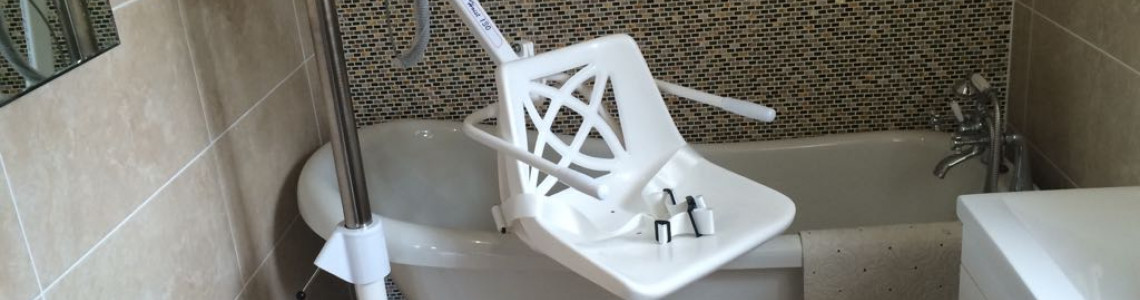
If you are someone living with a disability, you will know firsthand the accommodations needed to make your home more comfortable and functional to fit your individual needs.
While important, obtaining the necessary equipment and making changes to your property can be costly.
To help with this cost, local councils in the UK offer the Disabled Facilities Grant (DFG), which can help pay for essential home adaptations so disabled people can live safely and independently.
At Enableliving, we provide and install home adaptations, and we have seen firsthand how they can make a huge difference to the lives of disabled individuals. In this guide, we will cover what the Disabled Facilities Grant is and how to apply.
What Can the Disabled Facilities Grant Be Used For?
The Disabled Facilities Grant is intended to fund essential home adaptations to help someone with limited mobility or a disability live independently and safely in their own home.
There are several ways that the grant can be used. For example, you can use the grant to improve access by widening doors, installing ramps, or fitting grab rails for wheelchair users.
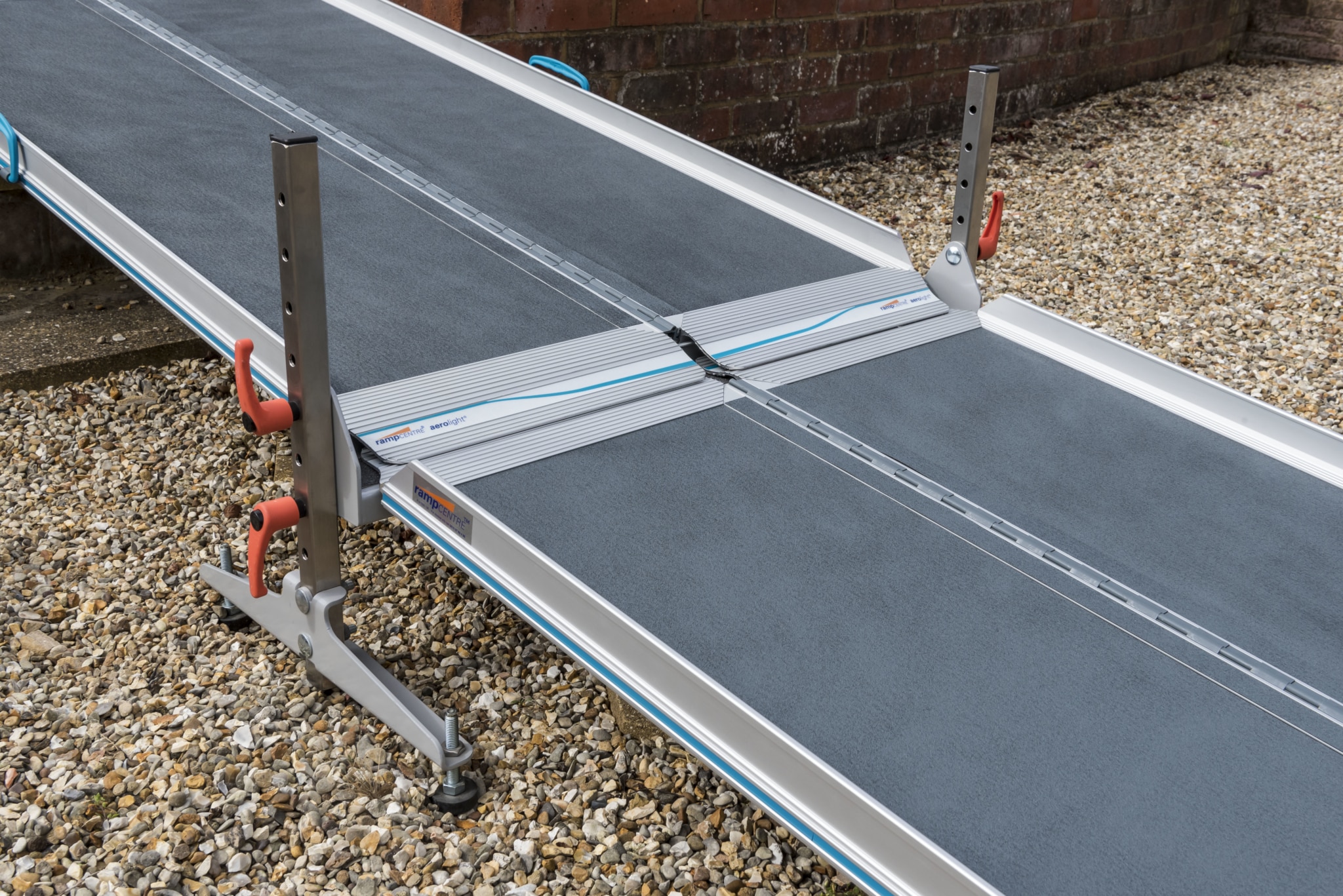
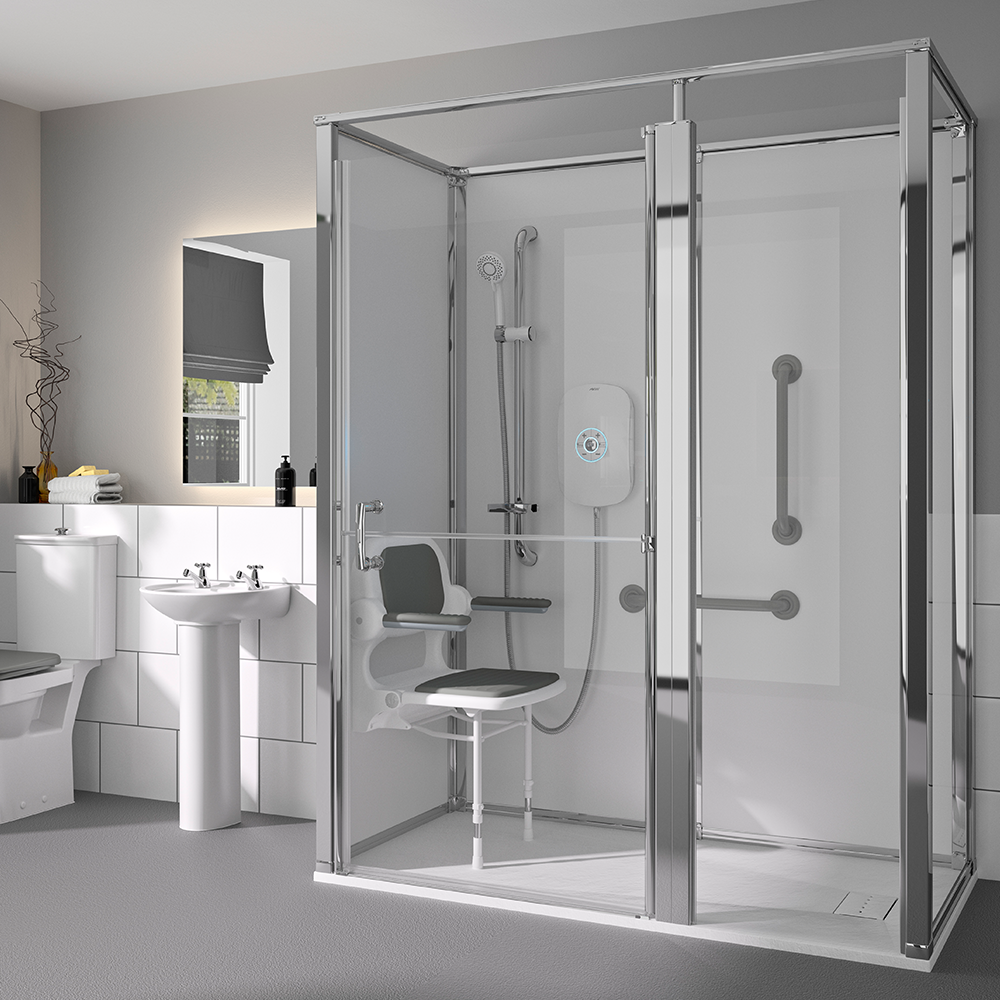
Many homes in the UK are not designed to accommodate people with mobility issues, so the grant is often used to fit a stairlift, platform ramp, or to install a level-access shower, wet room, or accessible toilet facilities.
If someone has developed mobility issues later in life, but wants to keep the home they've lived in for many years, the grant could be used to ensure that they can continue living in their property by building a bespoke extension or rearranging the layouts of existing spaces, particularly in the kitchen area, by lowering worktops and making it a safer environment.
The Disabled Facilities Grant can make a huge difference to someone's everyday routine and safety, so if you believe you're eligible, you should apply.
Who's Eligible for a Disabled Facilities Grant?
To be eligible for the DFG grant, you must meet the outlined criteria.
Those applying must have a physical, sensory or cognitive impairment that affects their ability to perform everyday tasks. You must also commit to living in the property for at least 5 years, unless you have a terminal illness. You do not need to own the property.
What is the Means Test for the Disabled Facilities Grant?
If you are under the age of 19, you can get a DFG without means testing, but once you turn 19, a Disabled Facilities Grant becomes means-tested.
Means testing is a financial assessment the government uses to decide whether you are eligible for financial help and how much you are expected to contribute towards the cost. The council will consider the disabled applicant's financial circumstances, as well as those of their spouse or partner.
What is the Savings Threshold?
A common question is whether your savings affect your ability to get the Disabled Facilities Grant. The council can't expect you to have no savings, so if you have less than £6,000 in savings, this money is ignored.
If the applicant's income exceeds the government's designated allowance for their needs, the council determines how much of that 'excess income' could be used to repay a loan. This loan amount then determines the applicant's necessary financial contribution toward the building project.
If the estimated cost of the building work is less than your calculated contribution, you will not be eligible for a grant. However, if the costs are higher, the grant will cover the difference, up to the regional maximum limit.
How Grant Amounts Differ Across England, Wales and Scotland
Where you live in the UK affects the size of the grant you're eligible for, and grant amounts differ between England, Wales and Scotland.
England
In England, you can receive up to £30,000 per application, but this is means-tested for adults based on household income and savings.
Wales
If you apply for a Disabled Facilities Grant in Wales, you can get up to £36,000 per application, and it is means-tested for adults.
Scotland
Scotland differs substantially from England and Wales. It has no fixed maximum cap, as it does not use the DFG framework. Instead, applications are handled through local council Schemes of Assistance, following Occupational Therapist recommendations.
Grants for Disabled People: How to Apply for DFG
If you believe that you or a loved one could be eligible for the grant, you should apply.
If you do apply for a Disabled Facilities Grant, you can expect the following process:
1. Contact Your Local Council
To begin, contact your local authority and request an occupational therapy or care needs assessment, as you must be evaluated before you can be considered for the grant.
2. Occupational Therapist Assessment
An OT will be assigned to your case and visit your home. During this visit, they will evaluate your daily challenges, assess whether your home can accommodate them, and recommend appropriate modifications if it cannot.
3. Eligibility and Means Testing
The OT will submit their assessment to the council, and the council will then review whether the work is necessary, appropriate, and practical. If you're over 19, you will undergo a financial means test at this stage.
4. Formal Application
Once you have completed your means test, you must provide proof of ownership or landlord permission to make changes to the property. You should also submit quotes for the proposed work and any financial documents that are required.
5. Council Decision
The council will then make a decision, and you should receive it in writing within 6 months of submitting your application. If your Disabled Facilities Grant is denied, you can ask for the reasons for refusal and challenge or appeal the decision.
How Long Does it Take to Get a Disabled Facilities Grant?
Although the council legally has 6 months to make a decision, the full process can take more than a year in some cases. If you need the grant to improve your property's safety quickly, start your application as soon as possible.
Funding Options Outside the Disabled Facilities Grant
If you are not eligible for the grant or your application is denied, there are alternative funding options available to help you make the necessary adjustments to your property. These include:
Council Small Equipment Grants
Council Small Equipment Grants are fast-track grants managed by your local council's social services or occupational therapy department. They are intended to cover minor property modifications where the changes cost less than £1,000.
These are not means-tested and cover small items like grab rails, handrails, visual aids and other small adjustments for the home. Usually, the items are ordered directly by the council, and no money is handed over to the recipient of the grant.

Housing Provider Support
If you are not a homeowner and you rent your home from the local council or a housing association, the landlord holds a dedicated budget for tenant alterations.
Landlords have a duty to ensure that their properties are accessible and safe for tenants, so they will pay for and manage the installation of minor changes required to improve the property.
Charitable Trust Grants
Depending on your location, you may have access to grants offered by charitable organisations. These grants provide discretionary funds from non-profit organisations and charities. Unlike loans, this money is a gift that does not need to be repaid. Grants are typically awarded based on specific eligibility criteria, such as your age, medical diagnosis, location, or previous profession.
To receive these grants, you will usually need to provide evidence of financial hardship and often a professional recommendation.
Get The Equipment You Need With Enableliving
Through this guide, you should now have a better understanding of the Disabled Facilities Grant, including what it covers and how to apply.
We all deserve to feel comfortable in our properties, no matter our physical capability. But it's no secret that making the necessary adjustments can be costly, so the Disabled Facilities Grant and the other funding solutions mentioned in this guide are essential.

At Enableliving, we pride ourselves on offering affordable, safety-tested equipment. If you have received a grant and are looking for equipment for your home, you're in the right place.
Get in touch to learn how we can help.
