
LOLER Explained: What the Regulations Mean for Hoists, Slings and Bath Lifts

LOLER stands for Lifting Operations and Lifting Equipment Regulations 1998, and is a set of health and safety laws outlined in the UK.
These laws create legal duties to ensure that all lifting equipment used to move and aid a person with a physical disability is fit and safe for use, which will be the focus of this guide, but it also applies to any equipment used at work for lifting or lowering loads.
At Enable Living, we don't only provide a range of lifting solutions; we also provide LOLER servicing and inspections, and in this guide we will outline exactly what LOLER is and what the regulations mean for you.
What Does LOLER Apply to?
LOLER covers the safe use, planning and thorough examination of lifting equipment and lifting operations in the UK. There's a common misconception that LOLER just applies to equipment used to move people, but it actually refers to any equipment that is used to lift or lower any item, object, person or materials.

How Often Should Lifting Equipment be Examined?
Under LOLER, any lifting accessories that are used to carry or lift a person should be assessed every 6 months. However, if the equipment is new or has been assembled in a new location, it will need to be assessed straight away to ensure that it is safe to use.
If the lifting device is only used to lift equipment, it should be thoroughly examined at least every 12 months.
If equipment has been damaged, overloaded or failed to operate, it will need an immediate inspection, even if it does not fall within the inspection timeframe.
Who Carries Out LOLER Testing?
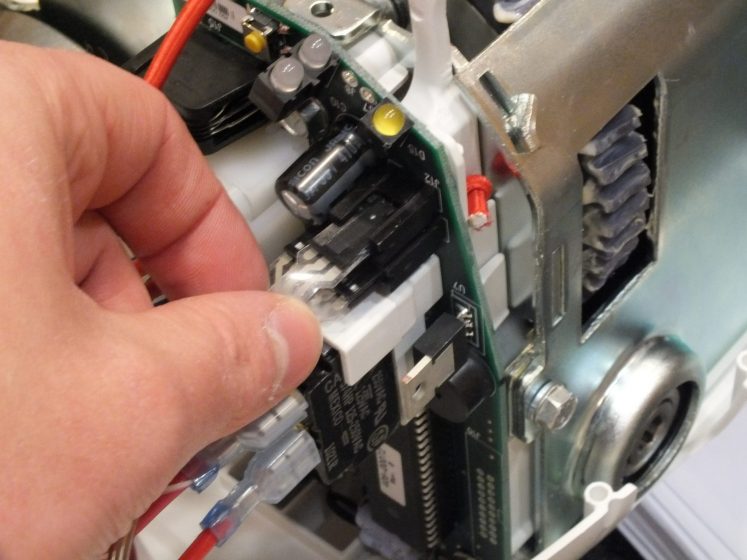
A LOLER inspection or thorough examination can only be carried out by a designated, competent person who has the appropriate practical and theoretical knowledge, training, and experience for the specific equipment that is being tested.
Those carrying out an inspection must be completely impartial and free from commercial pressure, and should not be the same person responsible for the equipment's day-to-day maintenance, to avoid a conflict of interest.
The Differences Between LOLER and PUWER
People often compare LOLER and PUWER, which stands for the Provision and Use of Work Equipment Regulations 1998, but key differences should be acknowledged.
Scope
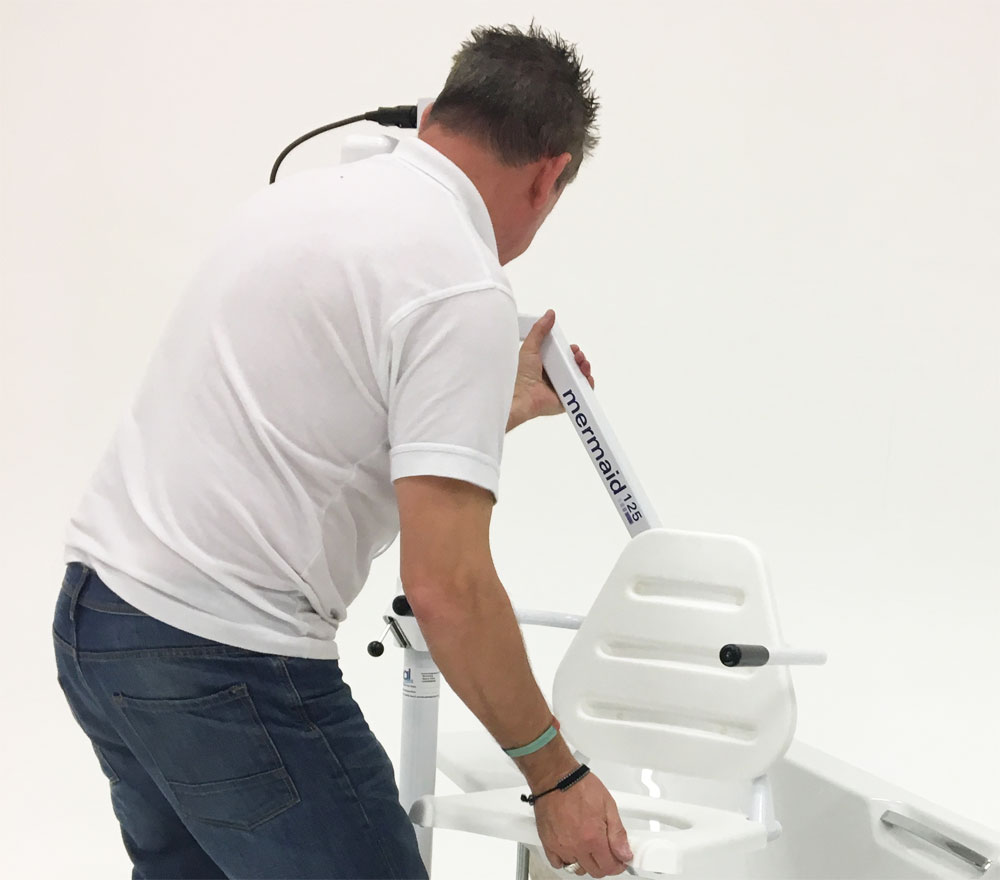
The main point of confusion people have between the two is what they apply to. PUWER applies to all work equipment, including power tools, machinery, and hand tools. LOLER, on the other hand, applies only to lifting equipment and operations, such as hoists, slings, and cranes.
Focus
PUWER ensures equipment is suitable, used safely, and properly maintained, while LOLER focuses specifically on the stability, strength, and safe operation of equipment used to lift loads.
Inspection Intervals
LOLER inspections have fixed statutory requirements for when they should be evaluated, whereas PUWER inspections have flexible intervals and are more risk-based than schedule-dependent.
Who is Responsible for LOLER Compliance?
Under LOLER, employers, equipment owners, and site or facilities managers are legally responsible for equipment compliance.
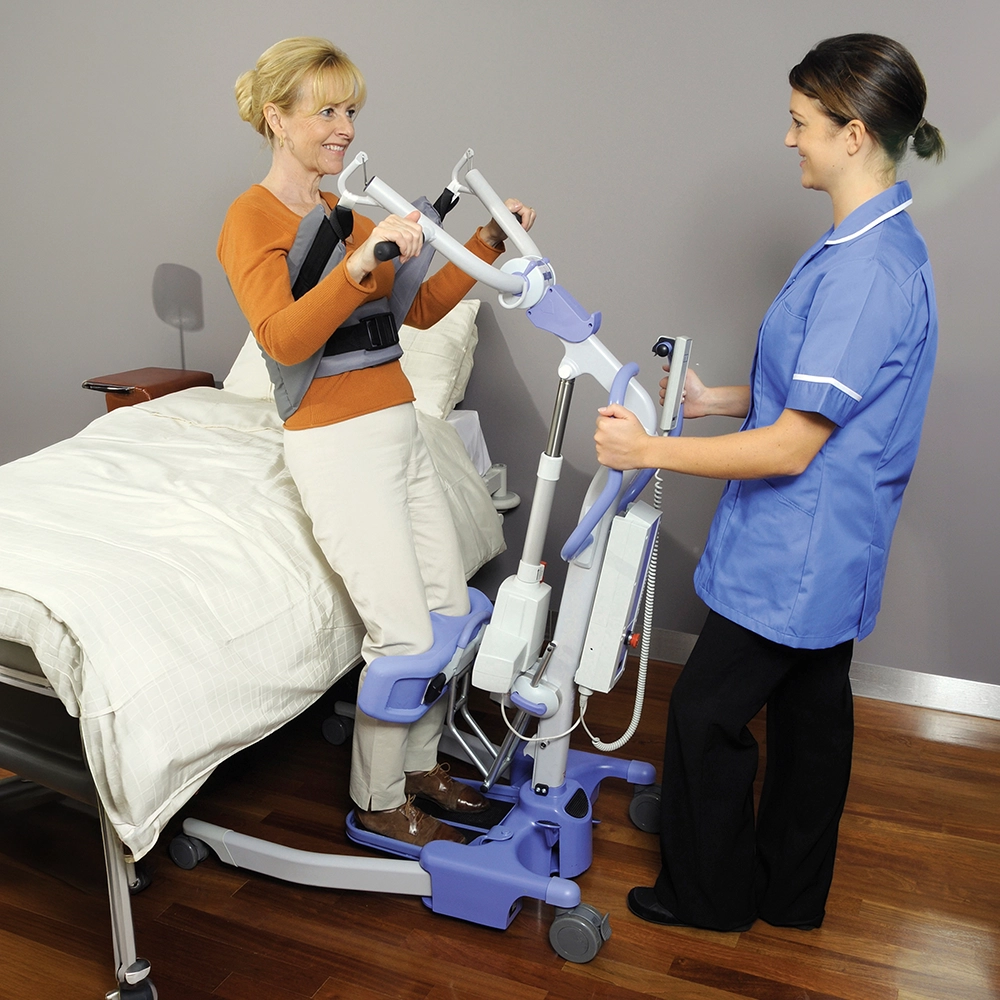
For equipment such as patient hoists, ceiling tracks, and stairlifts, care providers, NHS trusts, or hospitals are responsible for ensuring the equipment is properly maintained.
What Happens if Equipment Fails a LOLER Inspection?
If a piece of lifting equipment fails a LOLER inspection and the competent assessor identifies a defect that poses an existing or potential danger to people, they must report it immediately and follow one of three paths.
Severely Dangerous
If the equipment is assessed to pose an immediate risk to the user, it must be taken out of service immediately, and alternative equipment must be sourced. This protects the user and ensures that the assessor is not liable for any injury that may occur with continued use.
Issues With Potential for Future Problems
If signs indicate potential issues but there is no immediate threat, the user may still use the equipment, provided any necessary repairs are completed by a set deadline to prevent future risks.
Minor Wear and Tear
If there is minor wear and tear, the assessor must note it and monitor these minor defects during scheduled inspections, tracking them closely and recommending repairs when necessary.
LOLER Requirements for Domestic Users
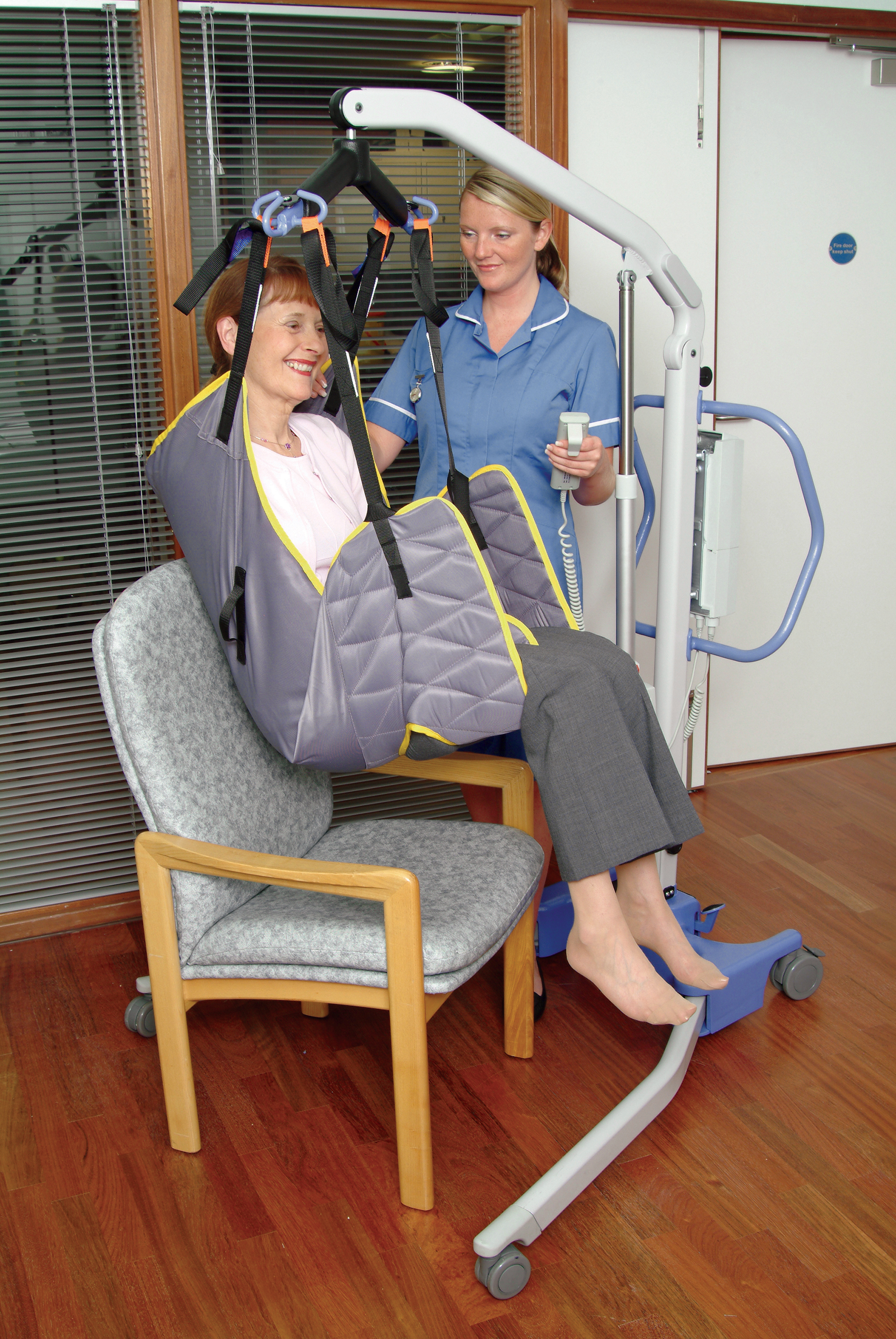
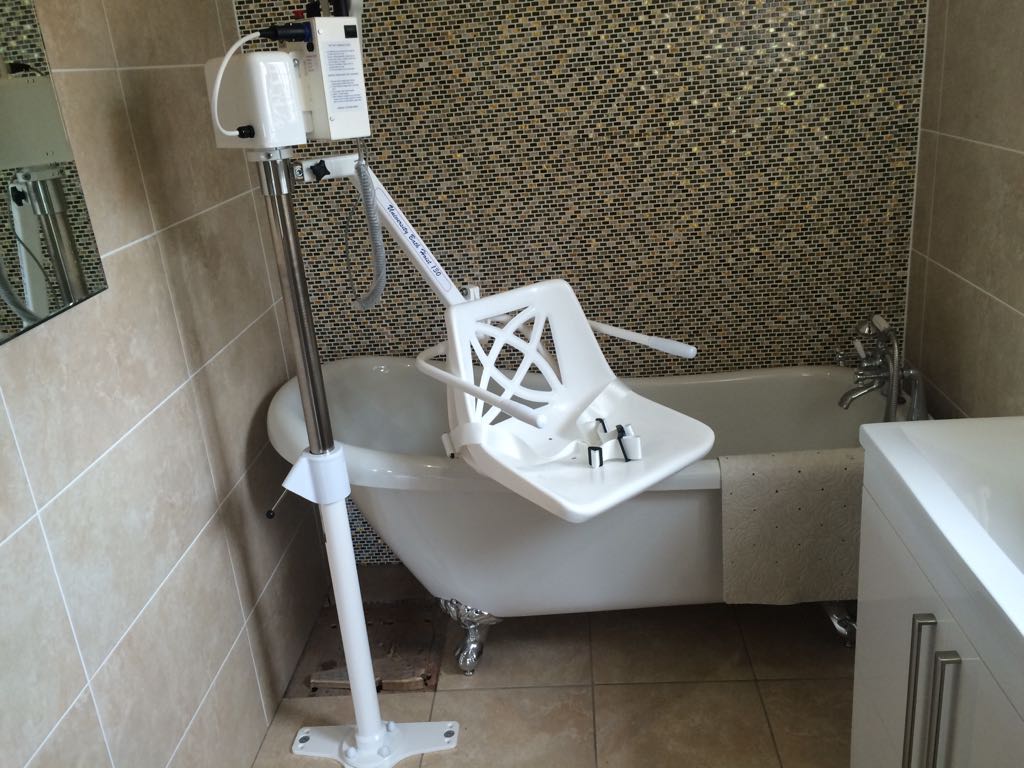
Domestic use of lifting equipment is exempt from LOLER, so if you use a stairlift, hoist, or domestic elevator in your own private home, LOLER does not apply. However, if paid carers employed by a care provider or agency use lifting equipment in your home as part of their work, their employer still has duties under LOLER to make sure that equipment is thoroughly examined and safe to use. Although private homeowners are not legally required to schedule formal inspections, we recommend they still do so to protect user safety.
Book a LOLER Inspection With Enable Living
So there you have it, everything you need to know about LOLER and how it applies to equipment used to lift people. If you have any at-home equipment used for yourself or a loved one, we urge you to get an assessment when possible to ensure it operates safely.
At Enable Living, we offer LOLER inspections for home equipment and provide hoists, lifts and slings, so we understand what safe, quality equipment should look like.
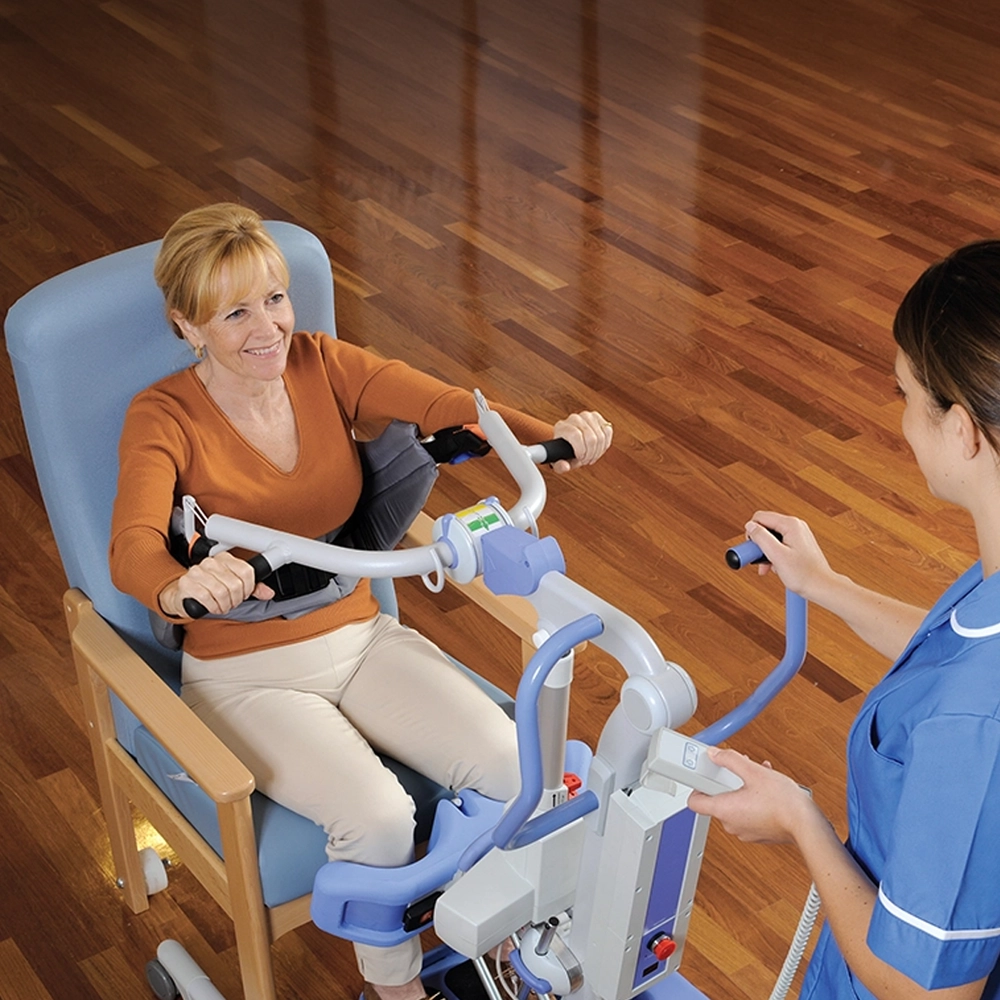
If you have any more questions or need to schedule a LOLER assessment, get in touch with the Enable Living team today.
