Walkers & Rollators
Navigating Mobility: The Ultimate Guide to Rollators vs. Walkers
Choosing the right mobility aid is a significant milestone. It is not just about getting around—it is about reclaiming your independence, ensuring your safety, and maintaining an active lifestyle. However, when you start browsing the aisles of a medical supply store or scrolling through online listings, the terminology can get confusing.
The most common question people ask is: What is the difference between a rollator and a walker? While they look similar at a glance, they serve very different physical needs. This guide will break down the features, benefits, and key differences of each to help you decide which one belongs in your life.
1. The Core Difference: Wheels and Stability
At its simplest, the difference comes down to wheels and weight-bearing:
A Walker (specifically a standard walker) has four legs with rubber tips and no wheels. It requires the user to lift the frame with every step.
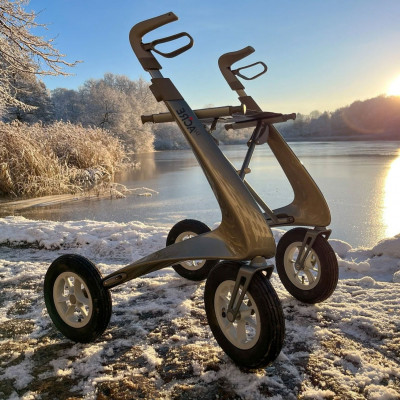
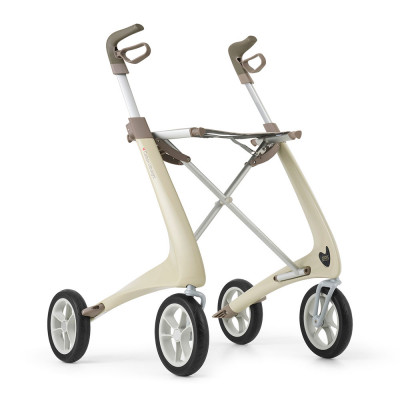
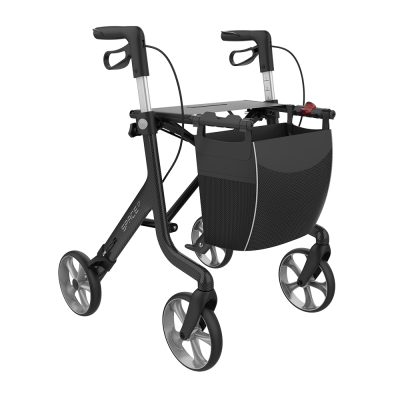
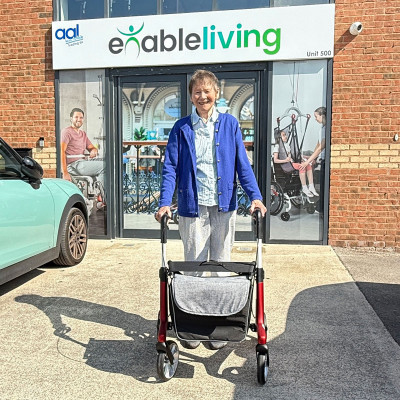
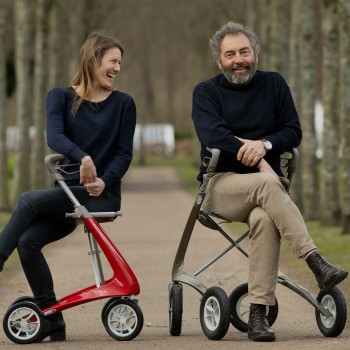
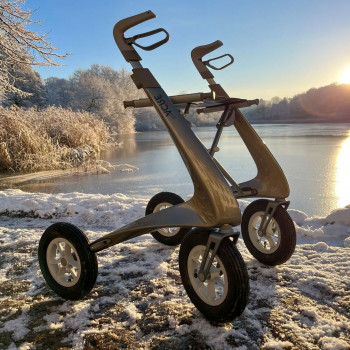
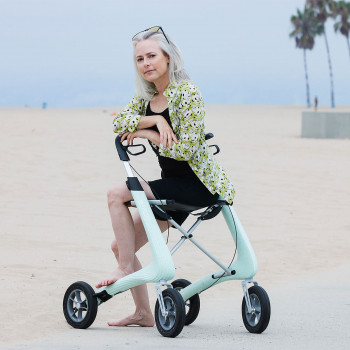
A Rollator is often called a rolling walker. It has four wheels (sometimes three) and a braking system. It is pushed forward rather than lifted.
If you require significant help with balance or need to lean heavily on the frame for support, a walker is your anchor. If you can walk but tire easily or need a device that moves fluidly with you, a rollator is your companion.
2. The Standard Walker: Stability First
The standard walker has been a staple of mobility for decades. It is designed for maximum stability and is often the first tool recommended after surgery or a serious fall.
Key Features of a Walker:
Four-Legged Frame: Usually made of lightweight aluminum.
No Wheels (or Two Small Front Wheels): Standard versions have rubber tips on all four legs. Front-wheeled walkers have two wheels in the front and glides or tips in the back.
Foldable Design: Most walkers have a simple push-button mechanism that allows them to fold flat for transport.
Height Adjustability: The legs can be clicked into different heights to ensure the user’s wrists are at the correct level.
Benefits of a Walker:
Maximum Weight Bearing: Because the legs remain flat on the floor while you step, a walker can support a significant portion of your body weight.
Sturdiness: There is no risk of the device rolling away from you. This makes it ideal for those with severe balance issues.
Portability: They are incredibly light (often under 5 lbs) and can fit into the backseat of almost any car.
Affordability: Walkers are generally the most budget-friendly mobility option and are frequently covered by basic insurance or Medicare.
3. The Rollator: Mobility and Convenience
A rollator is built for the active user. It is designed for people who can walk but struggle with endurance, gait speed, or mild balance issues.
Key Features of a Rollator:
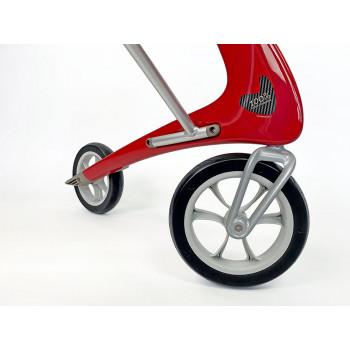
Four Wheels: Large wheels (usually 6 to 8 inches) allow the device to glide over cracks in the sidewalk or plush carpets.
Hand Brakes: Similar to a bicycle, rollators have hand-operated brakes to slow down or lock the wheels in place.
Built-in Seat: This is the standout feature of the rollator. If you get tired, you can lock the brakes and sit down anywhere.
Storage Pouch: Most come with a basket or bag under the seat for groceries or personal items.
Benefits of a Rollator:
Energy Conservation: Because you do not have to lift the device, you use less energy per step, allowing you to walk further distances.
Natural Gait: Rollators encourage a more natural walking motion. You can walk inside the frame at a steady pace rather than the stop-and-go motion of a walker.
Versatility: They are much better suited for outdoor use. The large wheels can handle grass, gravel, and uneven pavement much better than a standard walker.
Independence: Having a seat and a basket means you can go to the farmer's market or the mall without needing someone else to carry your bags or find a bench for you.
4. How to Know Which is Best for You?
Choosing between the two isn't just about personal preference; it's about matching the device to your physical capabilities. Ask yourself the following questions:
How is your balance? If you feel like you are constantly on the verge of falling or if you tend to topple forward, a walker is safer. A rollator can sometimes move too fast for someone with poor reflexes, potentially causing a runaway fall.
Do you need to sit frequently? If you have a heart condition, respiratory issues, or chronic pain that requires you to rest every 50 feet, a rollator is a life-changer. The built-in seat ensures you are never stranded without a place to rest.
Where will you use it? For strictly indoor use, a walker is often better because it has a smaller footprint and can navigate tight bathroom turns more easily. For outdoors and socializing, a rollator is the clear winner for walks in the park, shopping, or visiting friends.
What is your upper-body strength? Standard walkers require you to lift the frame. While they are light, doing this hundreds of times a day can be exhausting for someone with severe arthritis or frail arms. Rollators stay on the ground, making them easier on the shoulders and wrists.
5. Safety Tips for Both Devices
Regardless of which one you choose, proper usage is vital to prevent injury.
Check the Height: Stand up straight. Your wrists should line up with the handgrips. When you grab the handles, your elbows should have a slight bend of about 20 to 30 degrees. Look Forward, Not Down: It is tempting to watch your feet, but this throws off your center of gravity. Look 10 feet ahead. Step Into the Device: Don't push the walker or rollator too far ahead of you. Your body should stay within the footprint of the frame. Maintenance: For rollators, check the brakes weekly. For walkers, check the rubber tips for wear and tear; once the tread is gone, they become slippery.
Summary: Making the Final Call
In the battle of Rollator vs. Walker, there is no objective better choice—only the choice that fits your current health status.
Choose a Walker if: You are recovering from surgery, have significant balance issues, or need a device that can support most of your weight.
Choose a Rollator if: You can balance yourself but need help with endurance, want a place to sit, and enjoy being active outdoors.
Always consult with a Physical Therapist (PT) or Occupational Therapist (OT) before making a final purchase. They can observe your gait and recommend the specific model that will keep you safest.
FAQs
Videos


Gallery