
Walkers & Rollators
Videos



Gallery


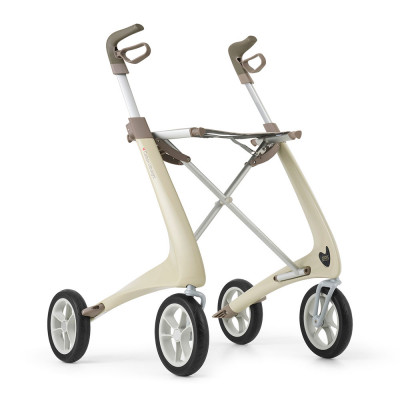
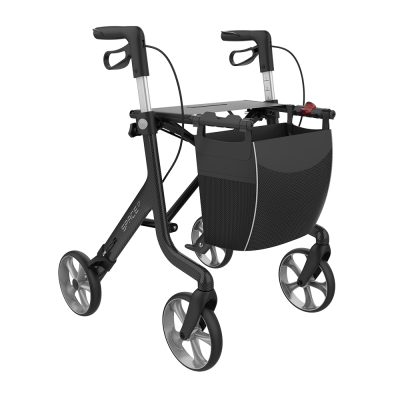
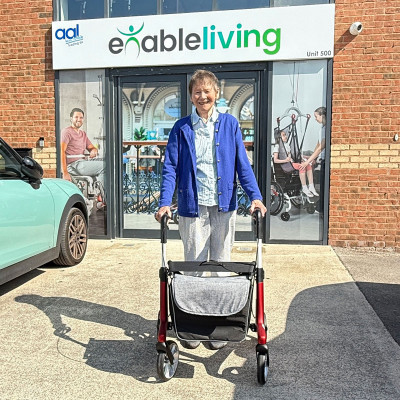
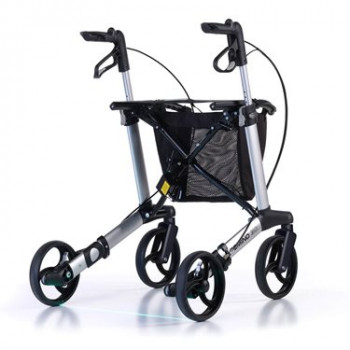
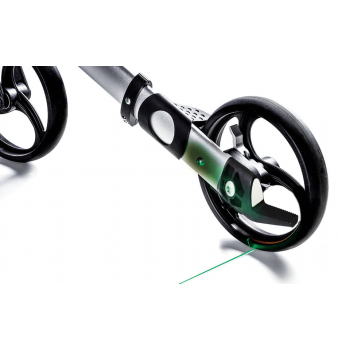
Brand: Sunrise Medical
Regain your independence with confidence. The GEMINO 30 Parkinson Lightweight Rollator is expertly designed to meet the unique needs of individuals living with Parkinson’s disease. Engineered for safety, stability, and ease of use, this premium rollator features advanced anti-freezing technology, a ..
Ex Tax: £499.00
Inc. VAT: £598.80
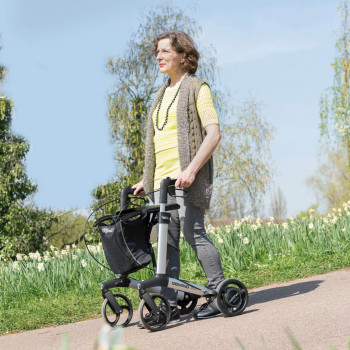
-350x350.jpg "Gemino 30 Speed Control Rollator")
Brand: Sunrise Medical
Stay in control—step by step. The GEMINO 30 SpeedControl Rollator is designed to help users maintain a safe and steady walking pace, especially those with neurological conditions such as Parkinson’s or MS. Featuring an integrated SpeedControl system, this rollator provides adjustable resistance to t..
Ex Tax: £415.00
Inc. VAT: £498.00
Brand: Sunrise Medical
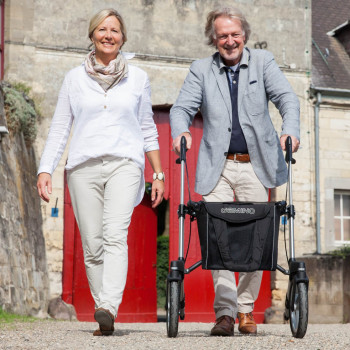
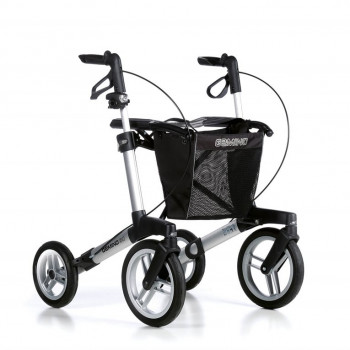
Built for the outdoors. Designed for your freedom. The GEMINO 60 Outdoor Lightweight Rollator is your ideal companion for active lifestyles and outdoor adventures. With large, shock-absorbing wheels and a robust yet lightweight frame, it’s made to handle uneven terrain, cobblestones, and park paths..
Ex Tax: £299.00
Inc. VAT: £358.80
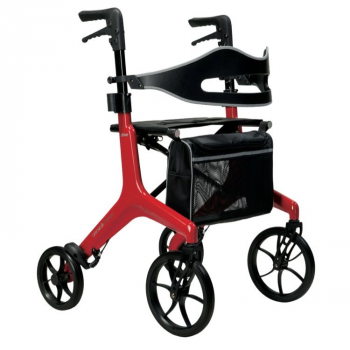
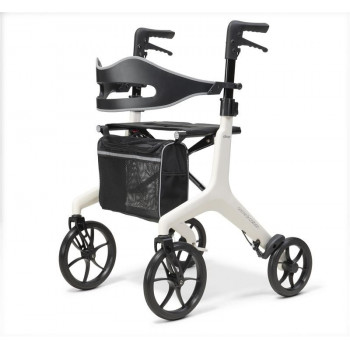
Brand: Drive DeVilbiss
Product OverviewThe AeroWalk Carbon Rollator is a lightweight mobility aid designed to support everyday movement with stability, comfort, and ease of use. As part of the Aero Carbon Family, it combines modern materials with practical design to meet the needs of users who value reliability, safety, a..
Ex Tax: £314.97
Inc. VAT: £377.96
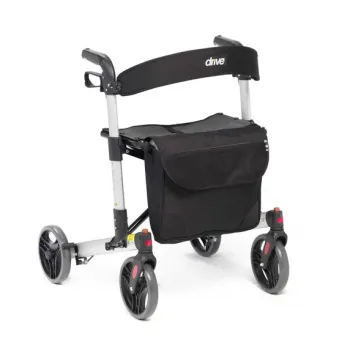
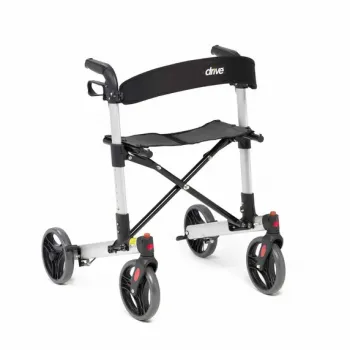
Brand: Drive DeVilbiss
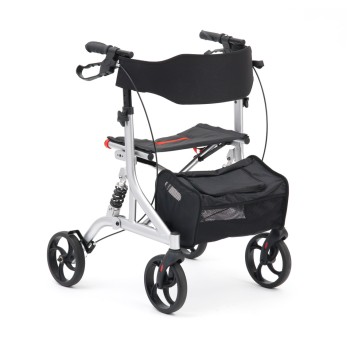
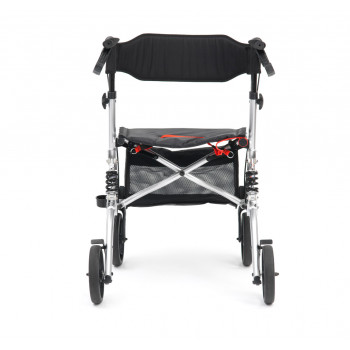
X-Fold Rollator – Compact and Convenient MobilityThe X-Fold Rollator is designed to provide users with maximum convenience, mobility, and comfort. Its unique folding mechanism allows the rollator to fold in two directions, achieving an exceptionally compact size. This dual folding design makes it id..
Ex Tax: £128.60
Inc. VAT: £154.32
Brand: Drive DeVilbiss
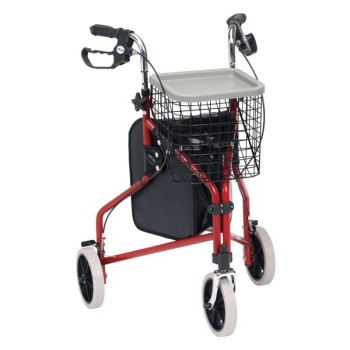
Drive Suspension Rollator – Comfort and Mobility CombinedThe Drive Suspension Rollator is specifically designed for individuals who value both mobility and comfort. It is ideal for those who frequently travel or need a reliable walker for daily use, whether indoors or outdoors. The rollator’s innova..
Ex Tax: £147.64
Inc. VAT: £177.17
Brand: Drive DeVilbiss
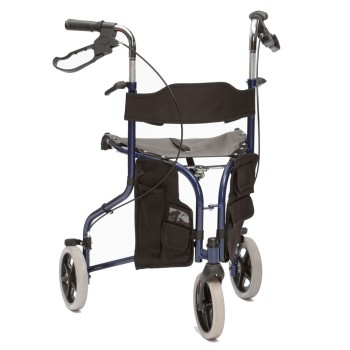
Ultra Lightweight Tri-Walker – Stability, Freedom, and Effortless ControlIntroductionThe Ultra Lightweight Tri-Walker has been designed to give users a perfect balance of stability, portability, and comfort. Built with a rustproof and robust aluminium frame, this rollator offers outstanding reliabil..
Ex Tax: £72.63
Inc. VAT: £87.16
Brand: Drive DeVilbiss
Liteway Tri-Walker with Seat – Carefree Independence for Everyday AdventuresFor anyone whose mobility or stamina is not what it once was, the idea of venturing away from home can sometimes feel daunting. Concerns about fatigue or the need to take frequent rests often discourage people from enjoying ..
Ex Tax: £108.33
Inc. VAT: £130.00
Brand: Drive DeVilbiss
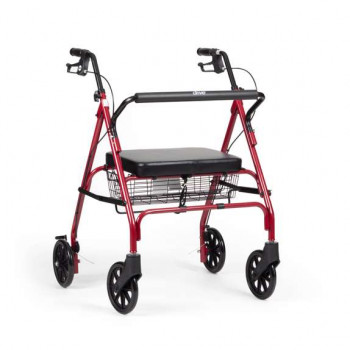
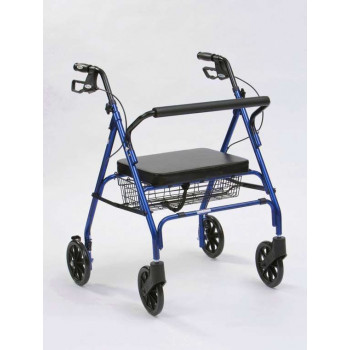
Heavy Duty Rollator – Sturdy Support with Comfort and ConvenienceThe Heavy Duty Rollator has been specifically designed to meet the needs of users who require a stronger, more supportive walking aid without compromising on comfort, practicality, or style. Built with a reinforced frame, this rollator..
Ex Tax: £114.00
Inc. VAT: £136.80
-350x350.jpg "Drive Nitro Walker")
Brand: Drive DeVilbiss
Nitro Rollator – Lightweight Indoor and Outdoor Mobility SolutionThe Nitro Rollator represents the ultimate combination of style, comfort, and functionality in a lightweight mobility aid. Designed for users who require a reliable and versatile rollator for both indoor and outdoor use, the Nitro offe..
Ex Tax: £196.90
Inc. VAT: £236.28
Brand: Drive DeVilbiss
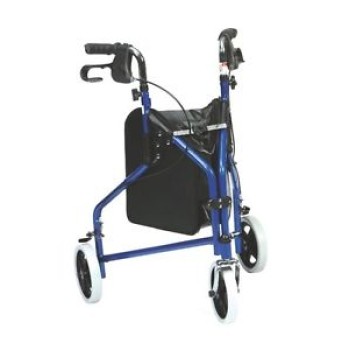
Key FeaturesRustproof Aluminium FrameThe Tri-Walker has been constructed using a robust aluminium frame. This ensures that the walker is resistant to rust, which is particularly important when it is used outdoors in wet or damp weather. The aluminium material also contributes to the walker’s lightwe..
Ex Tax: £87.20
Inc. VAT: £104.64
